How Your Diet Quietly Shapes Your Dental Health
It's not just sugar. A look at the foods, drinks, and eating patterns that make the biggest difference to your teeth over a decade, not a day.
"Don't eat too much sugar" is true but incomplete dental advice. The relationship between diet and teeth is more nuanced than a single ingredient — it's about frequency, food texture, nutrient content, and a handful of specific foods that either help or quietly work against your enamel over years, not days.
Frequency beats quantity
This is the single most underappreciated fact in dental nutrition: how often you expose your teeth to sugar or acid matters more than the total amount. Each exposure triggers roughly 20-30 minutes of acid production from bacteria in your mouth before saliva neutralizes it back to a safe pH. Eating a dessert in one sitting is one acid "attack." Sipping a sugary drink slowly over two hours, or grazing on sweet snacks throughout the day, can mean six or eight separate acid attacks — even if the total sugar consumed is the same or less.
Foods and drinks that quietly work against your teeth
- Dried fruit — concentrated sugar in a sticky form that clings to tooth surfaces longer than fresh fruit
- Sports and energy drinks — often more acidic than soda, sometimes marketed as a "healthier" choice despite comparable or worse enamel impact
- Flavored sparkling water — the citric acid used for flavoring can be more erosive than people expect from something marketed as a water alternative
- Crackers and chips — refined starches break down into sugars in the mouth and tend to lodge in the grooves of back teeth
- Constant snacking or grazing — even on relatively healthy foods, frequent eating means frequent acid cycles without recovery time in between
Foods that generally support dental health
- Cheese and dairy — calcium and phosphate content supports remineralization, and cheese specifically has been shown in some research to help neutralize mouth acidity after eating
- Crunchy vegetables — foods like celery and carrots have a mild mechanical cleaning effect and stimulate saliva production while chewing
- Leafy greens — high in calcium and folic acid, both relevant to gum tissue health
- Nuts — low in fermentable sugars and a source of protein and minerals without the frequent-exposure problem of sweet snacking
- Water — beyond hydration, plain water after meals helps rinse away food particles and dilute acid without the abrasive risk of immediate brushing
The nutrient side: what teeth actually need
Beyond avoiding damage, teeth and the bone structure supporting them need specific nutrients on an ongoing basis:
| Nutrient | Role |
|---|---|
| Calcium | Primary structural mineral in both teeth and the jawbone supporting them |
| Vitamin D | Necessary for calcium absorption — without adequate D, dietary calcium is used less efficiently |
| Phosphorus | Works alongside calcium in enamel and dentin structure |
| Vitamin C | Supports gum tissue and collagen structure; deficiency is linked to gum bleeding and weakness |
This is part of why some oral-health supplements pair mineral ingredients with vitamin D — the mineral alone isn't fully useful without adequate D to support its absorption, a combination covered in more depth in our ingredient breakdown.
The most sustainable dietary approach isn't perfection — it's reducing frequency of sugar/acid exposure and making sure the fundamentals (calcium, vitamin D, hydration) are consistently covered.
Related to this article
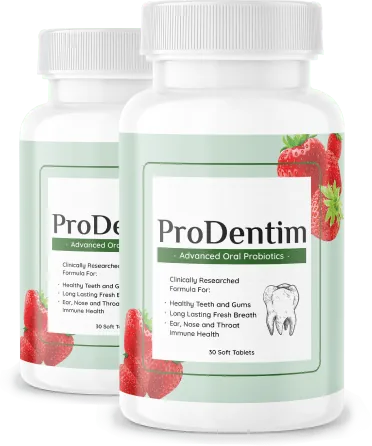
ProDentim's probiotic formula is discussed throughout this guide. See the full ingredient breakdown or current pricing to learn more.
For dental health specifically, yes — each sugar exposure triggers a period of acid production, so frequent small exposures can cause more cumulative harm than the same total sugar eaten in one sitting.
Some research suggests cheese can help neutralize mouth acidity after eating and supports remineralization due to its calcium and phosphate content, making it a reasonable choice to end a meal with.
Vitamin D is necessary for your body to properly absorb and use calcium — without adequate D, dietary calcium intended for teeth and bone is used less efficiently.
Curious how ProDentim fits into this?
See the full ingredient breakdown and current pricing before you decide.
Check Current Price →