Enamel Erosion: What's Actually Wearing Down Your Teeth
Enamel doesn't grow back. Here's what causes it to erode faster than it should, and what genuinely slows the process down.
Enamel is the hardest substance in the human body — harder than bone. It's also, somewhat counterintuitively, one of the few tissues in your body that can't repair itself once it's gone, because it isn't made of living cells the way bone and skin are. That combination — extremely durable, but not self-repairing — is exactly why erosion is worth understanding rather than shrugging off.
What actually erodes enamel
Acid, primarily
Enamel starts to soften and lose minerals when exposed to a pH below roughly 5.5. Below that threshold, minerals leach out of the enamel structure faster than saliva can naturally redeposit them — a process called demineralization. The most common everyday sources of this acid are:
- Soda and sports drinks, both regular and diet — the acidity itself matters, separate from sugar content
- Citrus fruits and juices
- Wine
- Acid reflux, including cases mild enough that the person isn't fully aware it's happening
- Frequent vomiting, including from conditions like bulimia or severe morning sickness — this is one of the more damaging sources due to stomach acid's low pH
Mechanical wear
Beyond acid, physical wear from teeth grinding (bruxism), overly aggressive brushing with a hard-bristled brush, or brushing immediately after acidic exposure (when enamel is temporarily softened) all contribute mechanically rather than chemically.
How to tell if erosion is happening
Early erosion is subtle. Signs to watch for include:
- Increased sensitivity to hot, cold, or sweet foods
- Teeth that look slightly more yellow, because thinning enamel reveals more of the darker dentin layer underneath
- A smoother, almost glassy appearance to tooth surfaces
- Rounded edges on teeth that used to have sharper, more defined edges
What actually slows erosion down
Since enamel doesn't regenerate the way other tissue does, the entire strategy is prevention and minimizing further loss, plus supporting the remineralization process that does still happen at a smaller scale via saliva and certain minerals.
- Reduce frequency, not just amount, of acid exposure. Sipping soda across two hours exposes teeth to acid far longer than drinking it quickly with a meal.
- Use a straw for acidic drinks to reduce direct contact with tooth surfaces.
- Wait before brushing after acidic food or drink — roughly 30 minutes is the commonly cited window, giving saliva time to naturally neutralize the acid first.
- Rinse with plain water after acidic exposure if you can't wait to brush — this helps dilute the acid without the mechanical risk of brushing softened enamel.
- Support saliva production, since saliva is your body's natural buffering and remineralizing fluid — dehydration and certain medications can reduce it.
- Consider calcium-phosphate mineral support, which some dental research links to aiding the remineralization process, though this is more established in professional treatments than over-the-counter supplements.
Related to this article
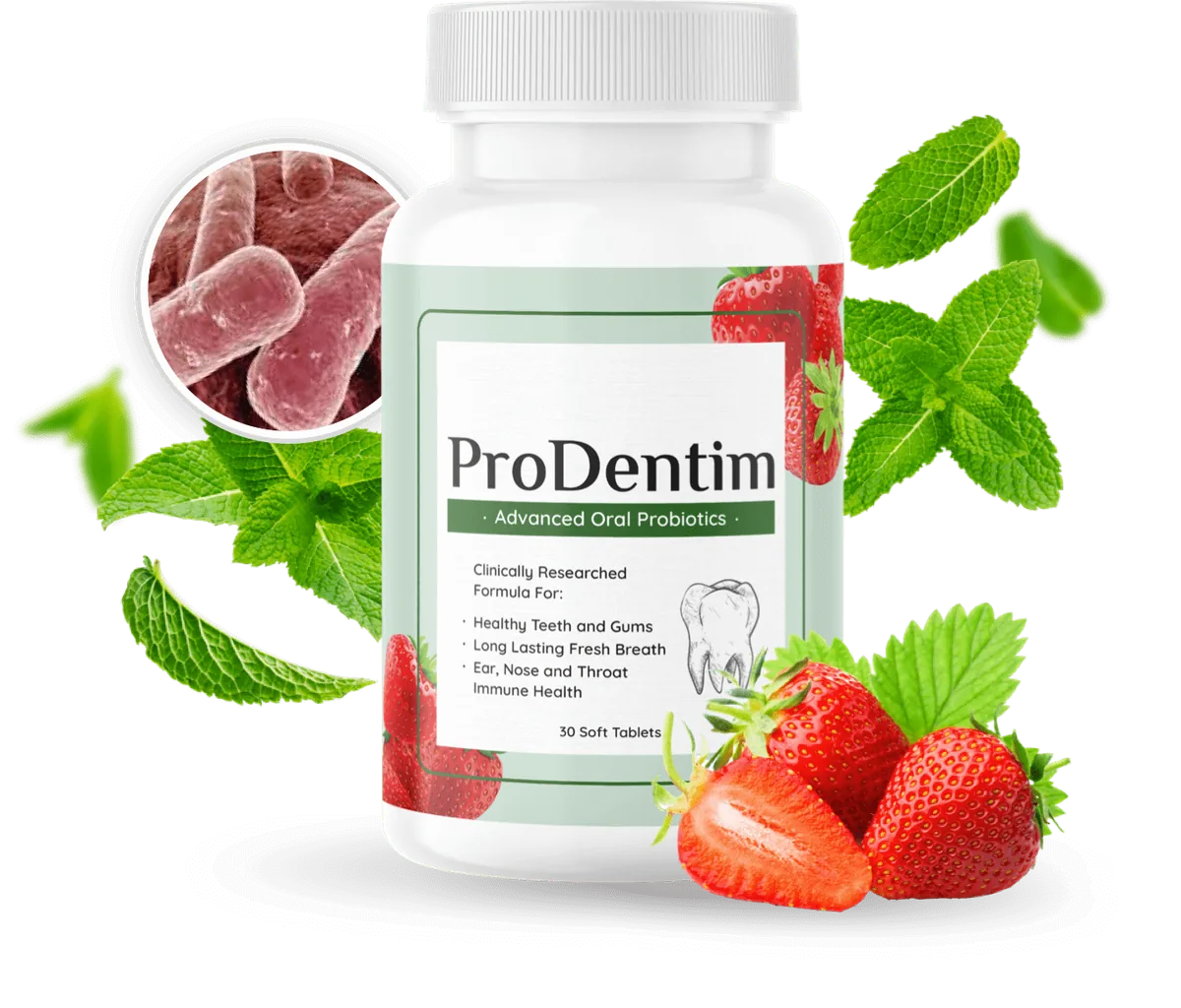
ProDentim's probiotic formula is discussed throughout this guide. See the full ingredient breakdown or current pricing to learn more.
No. Enamel isn't made of living cells and can't regenerate the way bone or skin can. Prevention and minimizing further erosion are the only real strategies once thinning has occurred.
Not necessarily — the acidity of most sodas, diet or regular, is what primarily drives enamel erosion, separate from the sugar content.
Roughly 30 minutes is commonly recommended, giving saliva time to naturally neutralize the acid before brushing, since enamel is temporarily softened right after acidic exposure.
Curious how ProDentim fits into this?
See the full ingredient breakdown and current pricing before you decide.
Check Current Price →