Building a Morning Oral Care Routine That Actually Works
Order matters more than most people think. Here's a dentist-informed sequence for brushing, rinsing, and supplementing without undoing your own effort.
Most people brush their teeth on autopilot — same order, same rush, same two minutes before running out the door. The order and timing of a morning oral routine actually matters more than people assume, partly because some habits can undo the benefit of others if done in the wrong sequence.
Why sequence matters
The most commonly cited example: brushing immediately after acidic food or drink (like orange juice or coffee with lemon) can actually be counterproductive, because acid temporarily softens enamel, and brushing right on top of that softened enamel can cause more wear than brushing would on unaffected enamel. Dentists generally suggest waiting around 30 minutes after acidic food or drink before brushing.
A sequence that works with your biology, not against it
1. Rinse with water first thing
Overnight, saliva production drops significantly, which is part of why morning breath happens — bacteria have had hours without the usual rinsing effect. A simple water rinse before anything else helps clear some of that overnight buildup.
2. Brush for a full two minutes
Most people underestimate how quickly two minutes goes and stop early. An electric toothbrush with a built-in timer, or simply timing yourself for the first week to recalibrate your internal sense of "two minutes," makes a real difference.
3. Don't rinse the toothpaste away immediately
This surprises people, but dental researchers generally recommend spitting out excess toothpaste without rinsing with water immediately after — rinsing right away washes away the concentrated fluoride that would otherwise continue working on your enamel for a few minutes.
4. Floss — ideally before brushing, not after
There's some debate here, but the reasoning for flossing first is that it dislodges plaque and food particles from between teeth, which brushing afterward can then more effectively clear away, and it also lets fluoride reach between teeth more directly.
5. If you're using an oral probiotic, this is typically the moment for it
Most oral probiotic products, including chewable ones, are designed to be taken after brushing rather than before — introducing the probiotic strains after you've cleared away the bulk of overnight plaque buildup, rather than having them compete with everything brushing is about to remove anyway.
6. Wait before your acidic breakfast items
If coffee, citrus, or other acidic foods are part of your morning, there's no need to avoid them — just be mindful that brushing works best either before them or a good while after, not immediately following.
A realistic version of this routine
| Step | Why this order |
|---|---|
| Water rinse | Clears overnight bacterial buildup before anything else |
| Brush (2 min) | Physically removes plaque biofilm |
| Spit, don't rinse | Lets fluoride keep working for a few minutes |
| Floss | Reaches between-teeth areas brushing misses |
| Oral probiotic (if used) | Introduced after plaque is cleared, not competing with it |
| Breakfast / coffee | Enamel has had time to normalize from any overnight acid exposure |
None of this needs to add real time to your morning — it's almost entirely about sequence and a couple of small habit shifts, not extra steps. The version above adds maybe sixty seconds total over a typical rushed routine, mostly from actually completing the full two minutes of brushing.
Related to this article
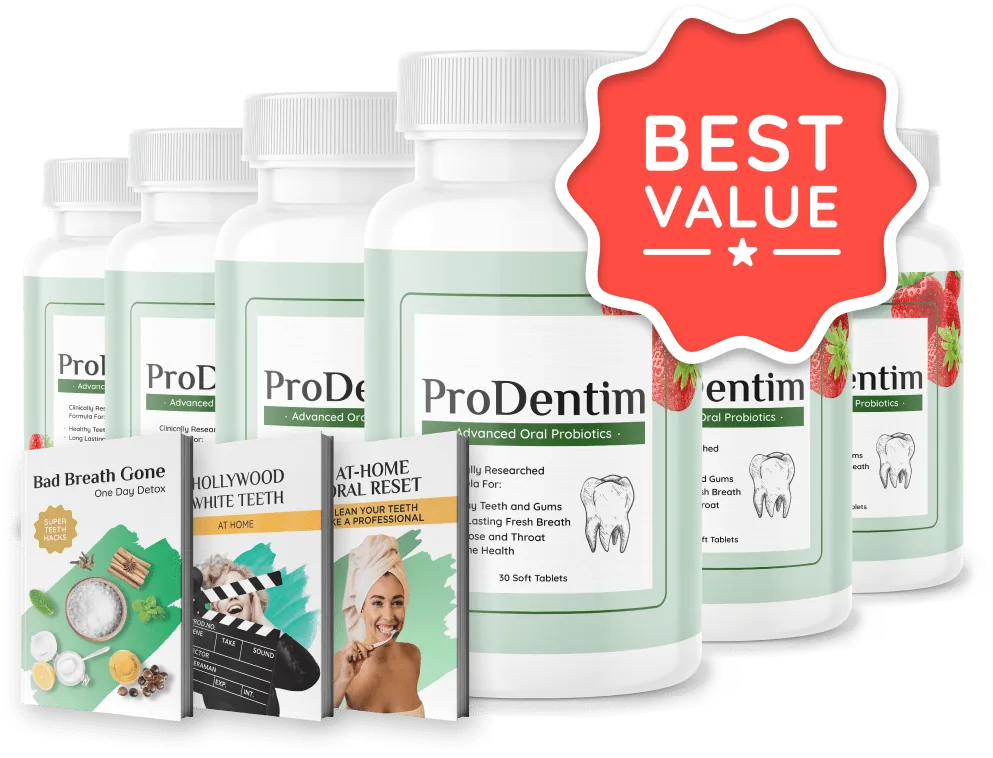
ProDentim's probiotic formula is discussed throughout this guide. See the full ingredient breakdown or current pricing to learn more.
Many dentists suggest spitting out excess toothpaste without rinsing immediately, so the fluoride can keep working on your enamel for a few extra minutes.
If breakfast included acidic foods or drinks like coffee or citrus, waiting about 30 minutes before brushing is generally recommended, since acid can temporarily soften enamel.
Most oral probiotic products are designed to be taken after brushing, once the bulk of plaque has already been physically removed.
Curious how ProDentim fits into this?
See the full ingredient breakdown and current pricing before you decide.
Check Current Price →