Why Bad Breath Happens: The Real Causes Behind Chronic Halitosis
Mints and mouthwash only mask the problem. Here's what actually causes persistent bad breath, and which causes a supplement can and can't touch.
Chronic bad breath, or halitosis, is one of those problems people manage rather than solve. Gum, mints, mouthwash — most approaches treat the smell, not the source. To actually address it, it helps to know where it's usually coming from, because the causes are more varied than "you ate garlic."
The most common cause: bacteria, not food
In the large majority of chronic cases, persistent bad breath originates from bacteria breaking down proteins in the mouth and releasing sulfur compounds as a byproduct — these are what actually smell. This can happen on the tongue (especially the back third, which is harder to clean), between teeth, and below the gumline if there's any inflammation present.
This is why breath that returns within an hour of using mouthwash is such a common complaint — the mouthwash masked the smell temporarily but didn't change the underlying bacterial activity producing it.
Six specific causes worth knowing
1. Tongue coating
The tongue's surface, especially toward the back, is a major reservoir for odor-causing bacteria. Brushing your teeth without addressing the tongue leaves this source untouched — a tongue scraper or the back-of-brush ridge many toothbrushes now include can make a noticeable difference.
2. Dry mouth
Saliva has a rinsing and antibacterial function. Less saliva — from dehydration, mouth breathing, certain medications, or sleeping with your mouth open — means bacteria and food particles linger longer, which tends to worsen odor, especially first thing in the morning.
3. Gum inflammation
Early gum disease (gingivitis) creates small pockets where bacteria concentrate below the visible gumline, in an area regular brushing doesn't fully reach. This is a common cause of breath that doesn't respond to normal hygiene efforts.
4. Diet patterns, not just specific foods
Beyond obvious culprits like garlic and onions, very low-carbohydrate diets can produce a distinct breath odor from ketosis — a metabolic, not oral, cause that mints won't touch.
5. Sinus and throat sources
Post-nasal drip, chronic sinus issues, and tonsil stones can all contribute to breath odor that originates outside the mouth entirely, which is why some persistent cases don't improve no matter how thorough the dental hygiene is.
6. Certain medications
Some medications reduce saliva production as a side effect, indirectly contributing to the dry-mouth mechanism above. If breath changed noticeably after starting a new prescription, that's worth mentioning to your doctor or pharmacist.
What actually helps, by cause
| If the cause is... | What tends to help |
|---|---|
| Tongue bacteria | Tongue scraping or brushing, daily |
| Dry mouth | Hydration, and addressing mouth-breathing if present |
| Gum inflammation | A dental cleaning plus consistent flossing to reach below the gumline |
| General bacterial imbalance | Oral probiotic strains aimed at rebalancing the mouth's bacterial population — see our ingredient breakdown for which strains are researched for this |
| Sinus-related | Addressing the underlying sinus or throat issue with a doctor |
When to see a dentist instead of trying another product
If breath odor persists despite consistent brushing, flossing, and tongue cleaning for several weeks, it's worth having a dentist check for gum disease below the gumline — something you genuinely can't assess yourself with a mirror. Persistent bad breath is sometimes the first noticeable sign of a dental issue that hasn't caused pain yet.
Related to this article
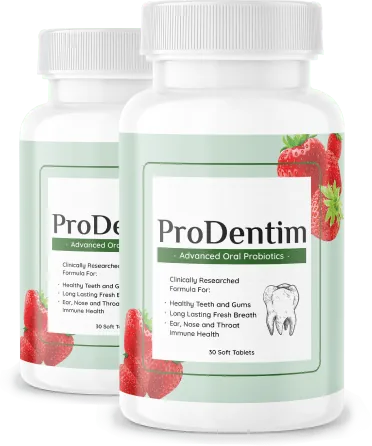
ProDentim's probiotic formula is discussed throughout this guide. See the full ingredient breakdown or current pricing to learn more.
Often because the tongue, especially the back portion, wasn't cleaned — it's a major source of odor-causing bacteria that brushing teeth alone doesn't address.
Yes. Early gum inflammation creates pockets below the gumline where odor-causing bacteria concentrate, which is a common cause of breath that doesn't improve with normal hygiene.
Most mouthwash masks odor temporarily rather than addressing its source, which is why breath often returns within an hour or two of use.
Curious how ProDentim fits into this?
See the full ingredient breakdown and current pricing before you decide.
Check Current Price →