7 Early Signs of Gum Disease Most People Ignore
Gum disease rarely starts with pain. Here are the quiet early signals worth paying attention to, and when to actually call a dentist.
Gum disease has a reputation for being painful, but that reputation is misleading in the worst way — because early-stage gum disease, called gingivitis, usually doesn't hurt at all. That's exactly why it's so commonly missed until it progresses to something more serious. Here are the signs worth actually paying attention to.
1. Bleeding when you brush or floss
This is the single most common early sign, and also the most commonly dismissed. Many people assume bleeding gums mean they're brushing too hard or flossing incorrectly — and while that's sometimes true, persistent bleeding over multiple sessions, even with gentle technique, usually points to gum inflammation rather than technique.
2. Gums that look puffy or slightly darker red
Healthy gum tissue is generally a consistent pale pink and fits snugly around each tooth. Inflamed gum tissue often looks slightly swollen and takes on a darker, more reddish tone — a subtle change that's easy to miss without a direct comparison to how your gums used to look.
3. Breath that doesn't improve with normal hygiene
As covered in our bad breath deep-dive, gum inflammation creates small bacterial pockets below the gumline that regular brushing can't reach — a common, often-overlooked source of persistent odor.
4. Gums that seem to be pulling back from teeth
Recession makes teeth look slightly longer than they used to, and can create visible gaps at the gumline. It happens gradually enough that many people don't notice until a dentist points it out or a tooth becomes newly sensitive to cold.
5. New tooth sensitivity
When gum tissue recedes even slightly, it can expose more sensitive parts of the tooth root that were previously protected. Sudden new sensitivity to cold drinks or air, without any other obvious cause, is worth mentioning at your next dental visit.
6. A change in how your bite feels
More advanced gum disease can subtly shift tooth positioning as supporting bone and tissue are affected. A bite that suddenly feels slightly "off," or teeth that seem to have new small gaps, are signs worth flagging rather than waiting out.
7. Persistent bad taste
A lingering unpleasant taste, distinct from normal morning breath, can be another sign of bacterial activity below the gumline, similar in origin to the breath-odor connection above.
Why catching it early actually matters
Gingivitis, the earliest stage, is generally reversible with improved hygiene and professional cleaning. Left unaddressed, it can progress to periodontitis, which involves loss of the bone structure supporting your teeth — a stage that isn't reversible in the same way and requires more involved treatment. The gap between those two stages is exactly where these early signs matter most.
Related to this article
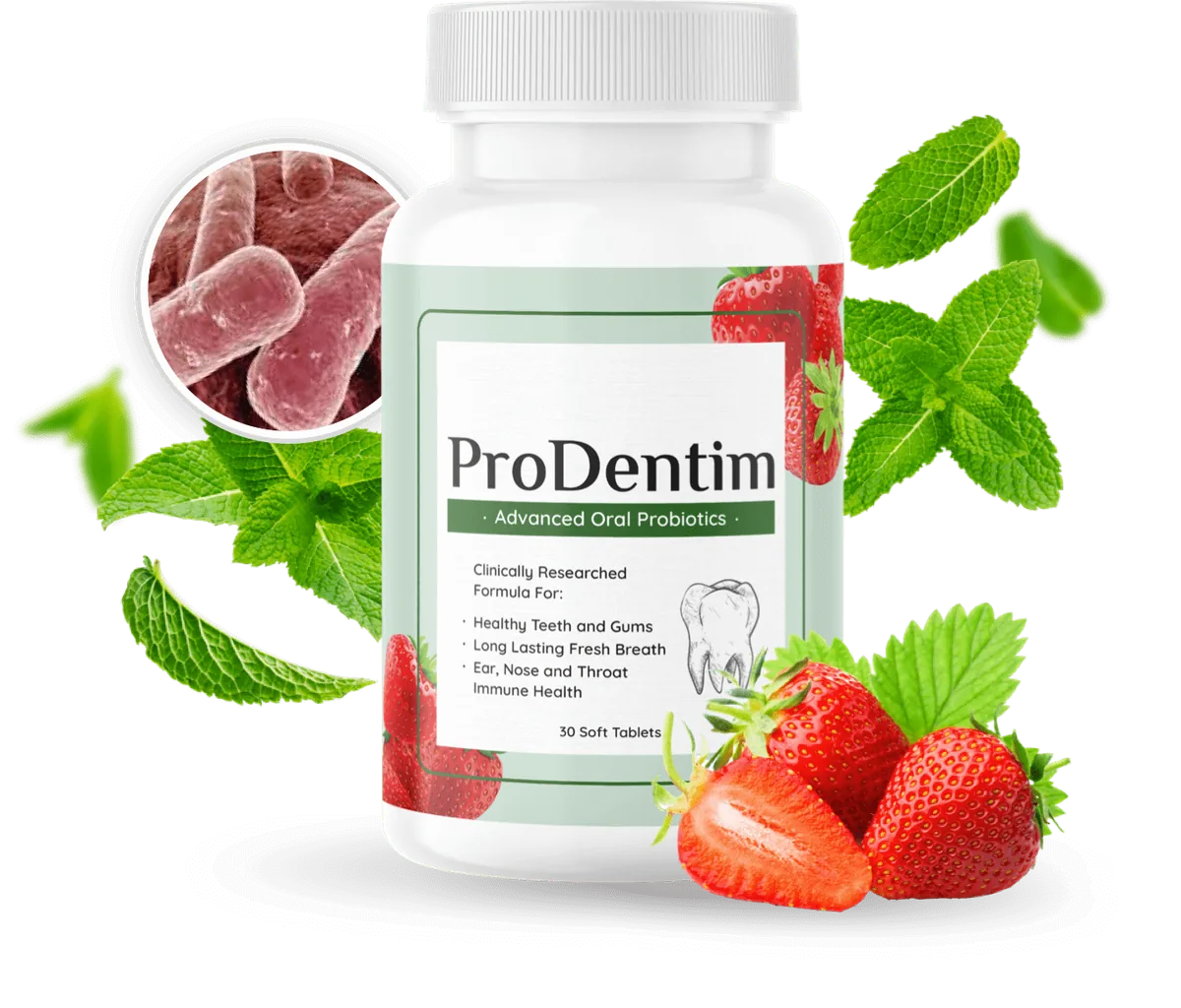
ProDentim's probiotic formula is discussed throughout this guide. See the full ingredient breakdown or current pricing to learn more.
Not always — sometimes it's technique-related — but persistent bleeding over multiple sessions, even with gentle brushing, is a common early sign worth checking with a dentist.
Yes. Gingivitis, the earliest stage, is generally reversible with improved oral hygiene and professional cleaning. More advanced periodontitis involves bone loss that isn't reversible the same way.
No — this is exactly why it's often missed. Early-stage gum disease is typically painless, which is why bleeding, color changes, and breath issues are more reliable early indicators than pain.
Curious how ProDentim fits into this?
See the full ingredient breakdown and current pricing before you decide.
Check Current Price →