Can Probiotics Actually Help Your Teeth? What the Research Says
Oral probiotics are a newer idea than gut probiotics. We walk through the actual clinical evidence, strain by strain, without the hype.
Probiotics have a well-established research base when it comes to gut health. Oral probiotics — strains specifically studied for the mouth rather than the digestive tract — are a newer and smaller field, but the existing research is more substantial than most marketing pages let on. Here's what the evidence actually shows, strain by strain, without rounding up.
The core idea
Your mouth's bacterial population determines a lot about your dental outcomes. Oral probiotics work on the premise that introducing specific, well-studied bacterial strains can help crowd out the species linked to cavities, gum inflammation, and bad breath — essentially competing for the same space and resources those harmful strains need to thrive.
What the research actually shows
Lactobacillus reuteri and gum inflammation
This is one of the better-studied strains in oral probiotic research. Several clinical trials have looked at L. reuteri lozenges or supplements alongside standard oral hygiene, with a number showing modest reductions in gingival inflammation markers compared to hygiene alone. The effect sizes are generally modest, not dramatic, and results vary between studies — but the direction of the evidence is fairly consistent.
Lactobacillus paracasei and bacterial balance
Research here is somewhat earlier-stage but points toward this strain's ability to compete with cavity-associated bacteria for adhesion sites on tooth surfaces — essentially occupying space that harmful bacteria would otherwise colonize.
Bifidobacterium strains and broader immune support
Strains like BL-04 have more research behind them in the context of general immune and respiratory health than oral health specifically. Their inclusion in oral probiotic formulas is often more about general wellness support than a direct, dental-specific mechanism.
What the research doesn't yet show
It's worth being honest about the gaps. Much of the existing research studies individual strains in isolation, often at specific doses in lozenge or capsule form — not necessarily the exact combination or dose used in any particular commercial product. Finished-product research (testing the actual supplement, not just its ingredients) is limited across the entire oral probiotic category, not any one brand specifically.
There's also relatively little long-term data — most trials run a matter of weeks to a few months, so claims about years-long benefits are extrapolations from short-term data, not direct evidence.
So — are they worth trying?
The honest answer is: probably reasonable as a complement to your existing routine, not as a replacement for it. The evidence for specific strains like L. reuteri is real, if modest. The mechanism is plausible and grounded in actual microbiology, not pseudoscience. But it's not a guaranteed fix, and results are described as varying meaningfully by individual in the research that does exist.
The most defensible way to think about oral probiotics: a reasonable, evidence-informed addition to a routine that already includes brushing, flossing, and regular dental visits — not a substitute for any of them.
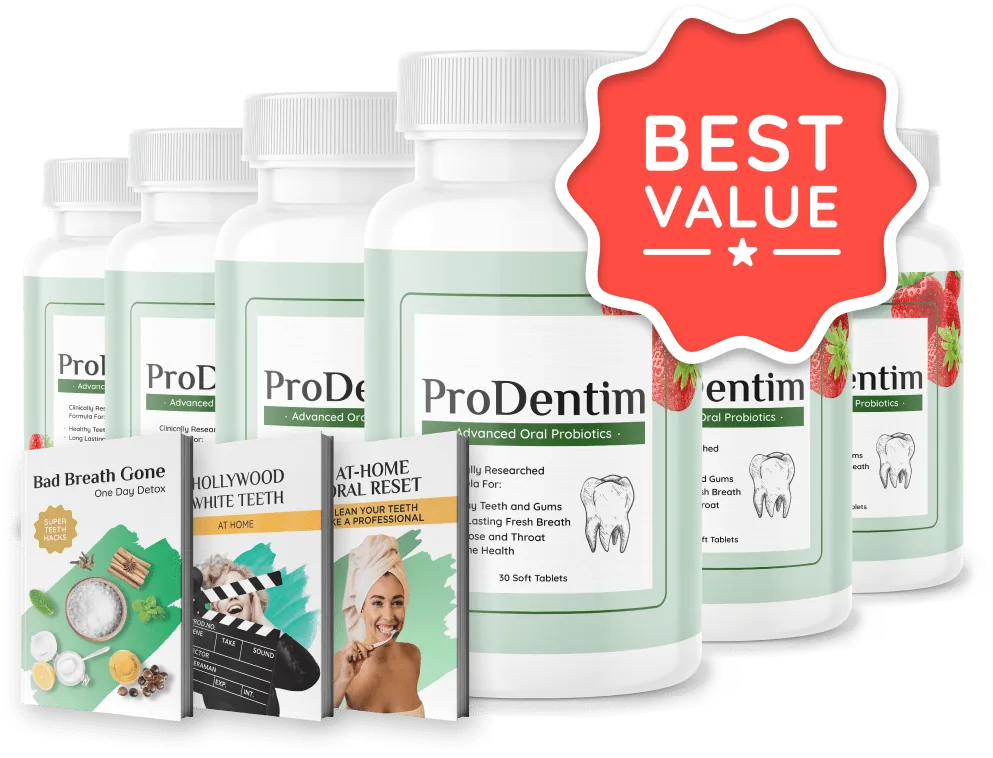
If you're considering a product like ProDentim specifically, our full ingredient breakdown covers which of its strains have the strongest individual research behind them, and which are included more for general-wellness rationale than dental-specific evidence.
Related to this article
ProDentim's probiotic formula is discussed throughout this guide. See the full ingredient breakdown or current pricing to learn more.
Yes, for some specific strains like Lactobacillus reuteri, which has several clinical trials linking it to modest reductions in gum inflammation. The research base is smaller than gut probiotics but not nonexistent.
Most clinical trials measuring gum inflammation outcomes run several weeks to a few months, suggesting a similar timeline is reasonable to expect for noticeable change, if any occurs.
No. They're studied as a complement to standard oral hygiene, not a replacement for it — even in the clinical trials, participants continued normal brushing and flossing.
Curious how ProDentim fits into this?
See the full ingredient breakdown and current pricing before you decide.
Check Current Price →