The Oral Microbiome, Explained: The Ecosystem Living in Your Mouth
What the oral microbiome actually is, why it matters more than most people realize, and how daily habits shift its balance for better or worse.
Somewhere between 700 and 1,000 species of bacteria call your mouth home. That number tends to surprise people — most of us think of bacteria in the mouth as something to eliminate, not something to manage. But the oral microbiome isn't an infection waiting to happen. It's an ecosystem, and like any ecosystem, its health depends less on the total number of organisms and more on which ones are present, and in what balance.
What the oral microbiome actually does
Your mouth's bacterial community isn't passive. It's actively involved in breaking down food particles, regulating pH levels after you eat, and — this is the part most people don't know — producing compounds that either protect or damage your enamel, depending on which species dominate. A balanced oral microbiome tends to include a healthy mix of bacteria that keep acid-producing, cavity-linked species in check. An imbalanced one lets those acid producers take over, and that's when problems start.
This is why two people can eat the same sugary diet and end up with very different outcomes. It's not just about sugar exposure — it's about what's living in your mouth to metabolize that sugar, and what that metabolic process produces as a byproduct.
How the balance gets disrupted
A few everyday things reliably shift the oral microbiome in an unfavorable direction:
- Frequent sugar and refined carb intake — feeds the acid-producing bacteria disproportionately, letting them outcompete more benign species.
- Dry mouth — saliva is one of the microbiome's main regulators; less saliva means less natural rinsing and buffering.
- Antibiotics — necessary when you need them, but they don't distinguish between harmful and helpful bacteria, and can wipe out beneficial oral strains along with the target infection.
- Smoking and alcohol — both are linked in the research literature to reduced microbial diversity in the mouth, which generally correlates with worse oral health outcomes.
- Chronic stress — indirectly, through its effects on saliva production and immune function.
Why "just kill the bacteria" isn't the right goal
Antibacterial mouthwash has its place, especially for short-term use after dental work or during an active infection. But using it as a daily long-term habit isn't necessarily the best strategy, because it doesn't discriminate between the bacteria that cause problems and the bacteria that prevent them. Some research on chlorhexidine-based rinses, for instance, has found that long-term daily use can disrupt the broader oral ecosystem in ways that aren't obviously beneficial once the original problem is resolved.
This is the conceptual shift behind oral probiotics as a category: instead of trying to sterilize the mouth, the goal is to selectively reinforce the bacterial strains associated with better outcomes, so they have an easier time outcompeting the ones linked to cavities, gum inflammation, and odor.
What actually supports a healthy oral microbiome
None of this replaces the fundamentals. Brushing twice daily, flossing, and regular dental visits remain the foundation — they physically remove the plaque biofilm where problem bacteria concentrate. On top of that foundation, a few things seem to support a more favorable bacterial balance based on the current research:
- Reducing frequency of sugar exposure (how often you eat sugar matters more than the total amount)
- Staying hydrated to support consistent saliva flow
- Limiting long-term daily use of strong antibacterial rinses unless directed by a dentist
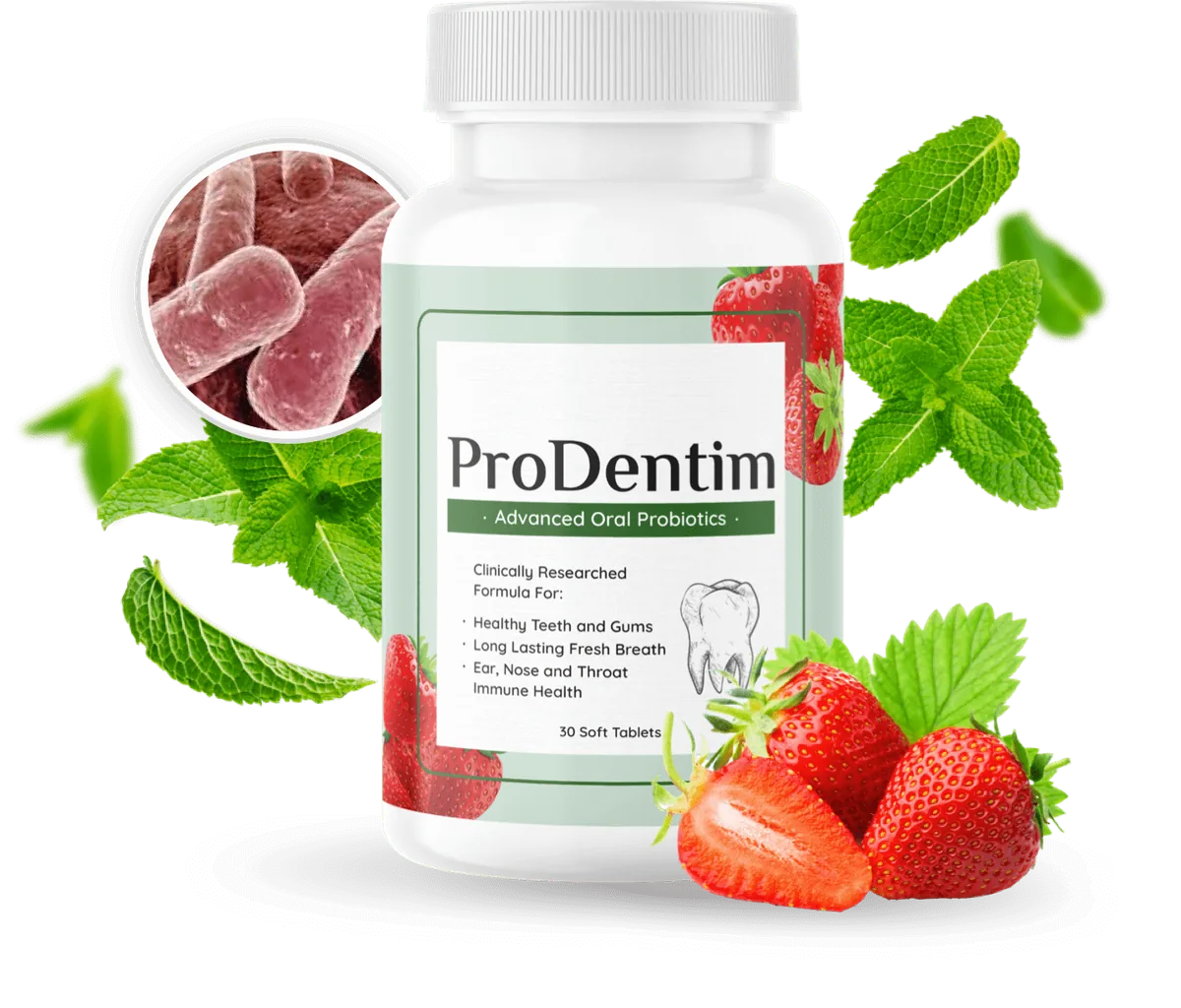
- Considering oral-specific probiotic strains, which is where products like ProDentim enter the conversation — see our ingredient breakdown for which strains are actually studied for this purpose
The goal isn't a bacteria-free mouth. It's a mouth where the helpful bacteria have the upper hand.
Understanding the oral microbiome doesn't require becoming a microbiologist. The practical takeaway is simple: your mouth's bacterial balance responds to daily habits more than to any single product, and the most effective interventions — including probiotic supplementation — work by supporting that balance rather than trying to eliminate bacteria altogether.
Related to this article
ProDentim's probiotic formula is discussed throughout this guide. See the full ingredient breakdown or current pricing to learn more.
No. A healthy mouth has hundreds of bacterial species living in balance — the goal is a favorable balance, not zero bacteria.
Strong antibacterial mouthwashes used daily over the long term can reduce bacterial diversity broadly, not just the harmful strains, according to some research on chlorhexidine-based rinses.
They're based on a similar concept — reinforcing beneficial bacteria — but use different, oral-specific strains studied for mouth-relevant outcomes rather than digestive ones.
Curious how ProDentim fits into this?
See the full ingredient breakdown and current pricing before you decide.
Check Current Price →