How Oral Health Needs Change With Age, Decade by Decade
What matters most for your teeth and gums in your 20s is different from your 50s. A realistic, decade-by-decade look.
Dental priorities shift over a lifetime in ways that aren't always obvious until you're in the middle of the decade they apply to. What matters most for a 25-year-old's teeth is meaningfully different from what matters most for a 65-year-old's — not because the fundamentals change, but because risk factors shift.
20s: building habits and catching wisdom teeth
This is generally the decade with the fewest structural dental issues but the most habit-forming influence on decades ahead. Key focuses:
- Wisdom teeth typically emerge in this window and may need monitoring or removal if impacted or crowding other teeth
- Habits formed now — consistency of brushing/flossing, diet patterns, whether regular dental visits become a habit or an afterthought — tend to compound significantly over subsequent decades
- This is also when orthodontic retainers from teenage treatment are often abandoned, which can allow gradual shifting back toward pre-treatment positioning
30s: the decade gum disease risk starts climbing
Gum disease risk begins increasing more noticeably in this decade for many people, partly due to cumulative plaque exposure over time and partly due to broader factors like increased stress (bruxism risk, covered in our grinding article) and, for some, the hormonal shifts of pregnancy, which is specifically associated with increased gum sensitivity and inflammation risk.
40s: enamel wear and the first real sensitivity issues
Decades of normal wear, combined with any accumulated acid exposure or grinding, start to show more visibly in this decade — enamel thinning, the beginnings of gum recession, and new sensitivity are common first-time complaints. This is also a common decade for people to first notice they've been grinding their teeth for years without realizing it, as the cumulative wear becomes visible.
50s: recession, root exposure, and a higher cavity-risk pattern
Gum recession, whether from gum disease history, aggressive brushing over decades, or grinding, tends to be more pronounced by this point, exposing tooth roots that weren't designed to handle the same acid and bacterial exposure as enamel-covered crowns. This creates a somewhat counterintuitive pattern: cavity risk can actually increase in this decade compared to a person's 30s, concentrated specifically at the gumline and exposed root surfaces rather than the chewing surfaces more typical of childhood cavities.
60s and beyond: dry mouth, medication effects, and restoration maintenance
This decade often brings together several risk factors covered earlier in this blog: increased likelihood of being on medications with dry-mouth side effects (see our dry mouth article), natural age-related reductions in saliva production, and the ongoing maintenance needs of any existing crowns, fillings, or other restorative work accumulated over a lifetime. Consistent dental visits become particularly valuable in this window for catching issues around existing dental work before they become bigger problems.
What stays constant across every decade
Despite the shifting risk factors, a few things remain true regardless of age:
- Consistent brushing and flossing continues to be the highest-leverage habit at any age
- Regular dental visits catch problems earlier at every life stage, not just in childhood or old age
- Saliva remains the body's primary natural defense mechanism throughout life — hydration and awareness of dry-mouth causes matter at every age, just for different underlying reasons
- Diet's frequency-over-quantity principle, covered in our diet and teeth article, applies at every decade
The practical takeaway isn't that you need an entirely different routine every ten years — it's that paying attention to which risk factors are most relevant to your current decade helps you catch emerging issues (recession, dry mouth, grinding) before they become established problems.
Related to this article
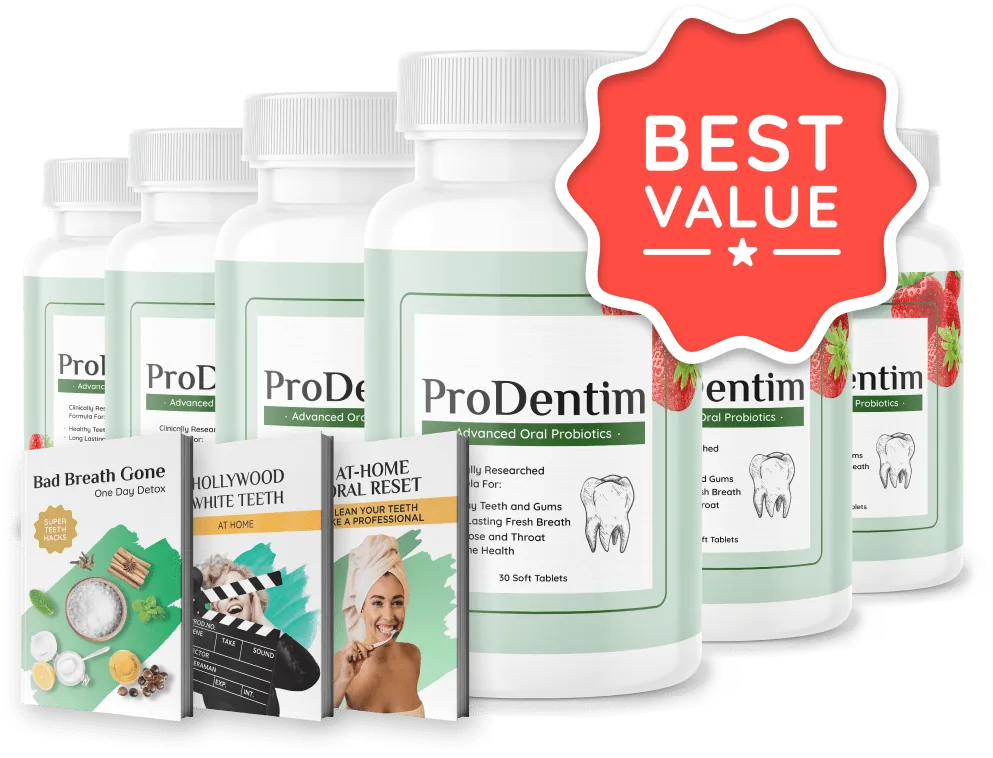
ProDentim's probiotic formula is discussed throughout this guide. See the full ingredient breakdown or current pricing to learn more.
The pattern shifts rather than simply decreasing — cavity risk can actually increase again in your 50s and beyond, concentrated at the gumline where gum recession has exposed tooth roots.
It's generally attributed to cumulative plaque exposure over time, combined with factors like increased stress-related teeth grinding and, for some, pregnancy-related hormonal changes that increase gum sensitivity.
Yes, for two combined reasons — saliva production naturally tends to decrease somewhat with age, and older adults are statistically more likely to be on medications that list dry mouth as a side effect.
Curious how ProDentim fits into this?
See the full ingredient breakdown and current pricing before you decide.
Check Current Price →